Therapy For Children & Teens
When a child is afraid of throwing up, everyday life can start to feel overwhelming. School mornings, meals, car rides, sleepovers, and time away from parents may become difficult. You may find yourself answering the same questions, changing family plans, or trying to figure out whether your child feels sick or anxious.
I help children and teens understand their fear, recognize what keeps it going, and practice responding differently. We work toward a life where fear has less say in what they eat, where they go, and what they enjoy.
What Does a Session Look Like?
Sessions are practical, collaborative, and tailored to your child’s age, interests, and readiness. Your child does not need to know exactly what to say or feel brave before we begin.
We start by talking about how the week has gone: what felt difficult, what your child practiced, and where fear got in the way. Together, we identify patterns such as checking body sensations, asking for reassurance, avoiding foods or activities, or mentally reviewing whether they might get sick.
Part of the session is spent learning and part is spent practicing. We might use a visual worksheet, work through a real-life situation, or try a planned “bravery challenge.” Younger children may connect with pictures, playful activities, and simple explanations. Teens have space to discuss how the fear affects their independence, friendships, school, and privacy.
Parents are involved as appropriate. Sometimes we meet together; other times, your child has individual time followed by a parent check-in. We finish with a clear plan for practice at home.
How We Use ERP
Exposure and Response Prevention, or ERP, helps children practice facing feared situations while reducing the habits they use to feel certain or safe.
Exposure means approaching something the fear has been telling them to avoid. Depending on your child’s needs, this might include saying or reading words related to vomiting, looking at pictures, eating an avoided food that is medically appropriate, returning to an activity, or allowing ordinary body sensations to be present.
Response prevention means practicing without the usual fear-driven response, such as repeatedly asking “Am I going to throw up?”, checking their stomach, seeking guarantees, or escaping the situation.
We build a manageable plan together and explain the purpose of each challenge. ERP does not involve making your child vomit or exposing them to illness. It involves learning to handle uncertainty and discomfort while participating in everyday life.
The goal is not to promise that your child will never get sick or to make anxiety disappear before they move forward. The goal is to help them discover: “I can feel afraid, be unsure, and still do things that matter to me.”
Handouts That Make Therapy Easier to Use
I use clear, approachable handouts to help children, teens, and parents bring what we discuss into daily life. These may include:
Visual explanations of how fear, avoidance, and reassurance can keep the cycle going.
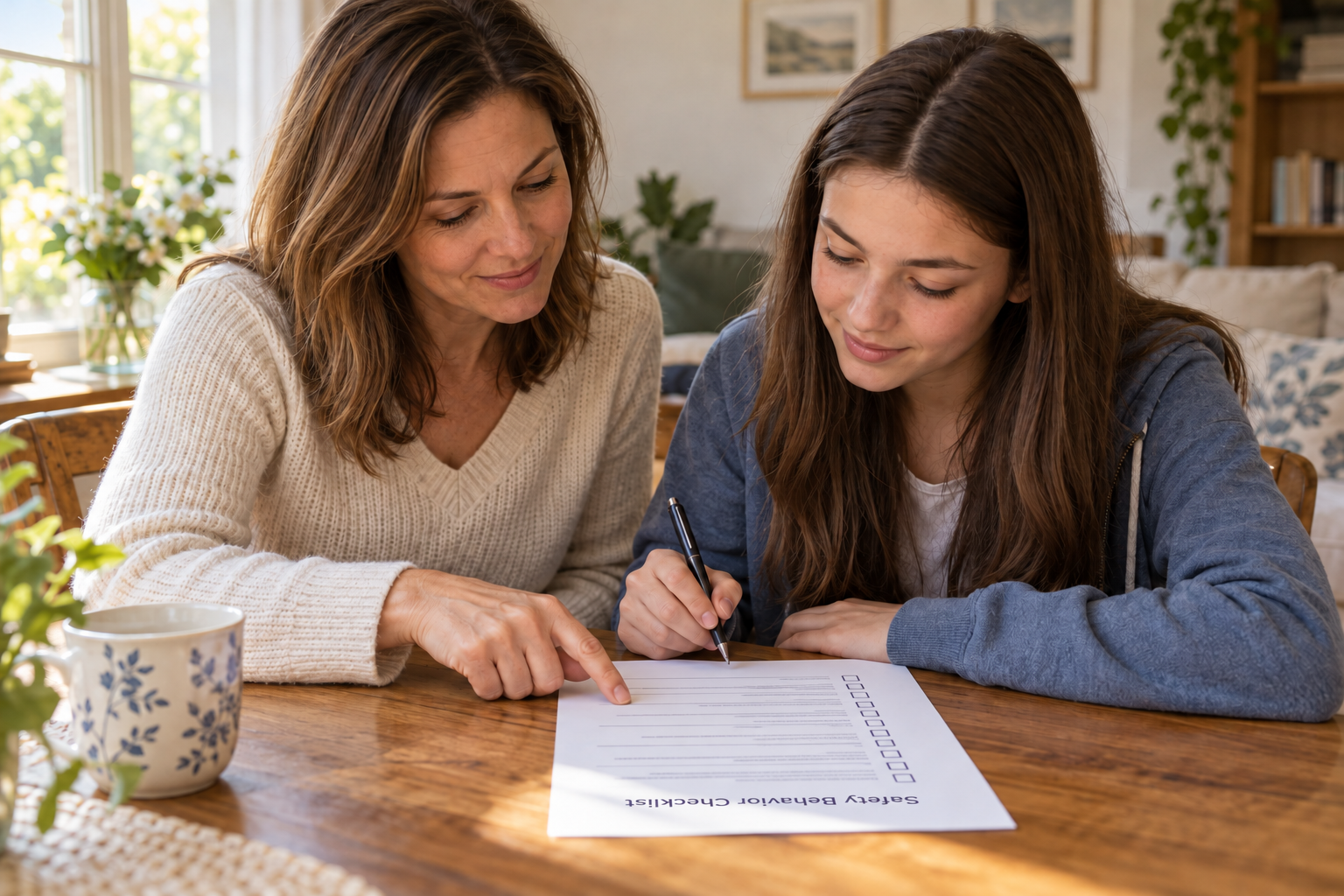
Safety behavior checklists to identify habits such as checking, carrying “just in case” items, or repeatedly seeking reassurance.
Bravery challenge worksheets to break goals into manageable practice steps.
Tools for intrusive thoughts and rumination to help children recognize when they are getting pulled into trying to solve an unanswerable question.
Parent guidance with examples of supportive responses and ways to reduce accommodation.
We use the handouts together so your family understands how to apply them. They give you something concrete to return to between sessions.
Homework: Small Steps in Everyday Life
Progress comes from practicing outside the therapy session, too. Homework is individualized and planned together, with your child’s age, schedule, and current challenges in mind.
Practice might include approaching an avoided activity, using an exposure picture, asking fewer reassurance questions, or noticing a worry without spending time mentally solving it. Parents may also practice changing how they respond when fear shows up.
Homework is not about getting a perfect score or staying calm. We focus on effort, willingness, and what your child learns—even when anxiety is present. If a challenge feels too difficult, we use that information to adjust the plan.
Helping Parents Respond With Confidence
It can be hard to know when to comfort, when to encourage, and when helping has become part of the fear cycle. We work on ways to offer warmth and support while helping your child build confidence in their own ability to cope.
That might sound like:
“I don’t know if you will vomit. We don’t have to figure that out now. If it happens, we will deal with it then.”
Together, we help your child take manageable steps toward school, friendships, meals, activities, and greater independence—with support along the way.